If you’ve never seen a TCM practitioner before, it might seem a little mysterious. The doctor holds your wrist, looks at your tongue, and tells you things you never told them.
It’s not actually mysterious. Let me walk you through the whole process.
Step 1: Asking (Inquiry)
The TCM practitioner will ask you many questions. Not just “where does it hurt?” But also: how is your sleep? How is your appetite? How are your bowel movements? Do you feel cold or hot? Is your mouth dry? Do you sweat a lot? For women: how is your menstrual cycle? It’s not gossip. Every question helps them piece together a picture.
Step 2: Looking (Inspection)
Mostly looking at your tongue — its color, coating, shape. Also looking at your face, your energy level, how you walk. TCM calls this “knowing by looking” — one glance gives a general direction.
Step 3: Listening and Smelling (Auscultation and Olfaction)
Listening to your voice. Does it sound weak or strong? Is your cough clear or muffled? Also smelling your breath and body odor.
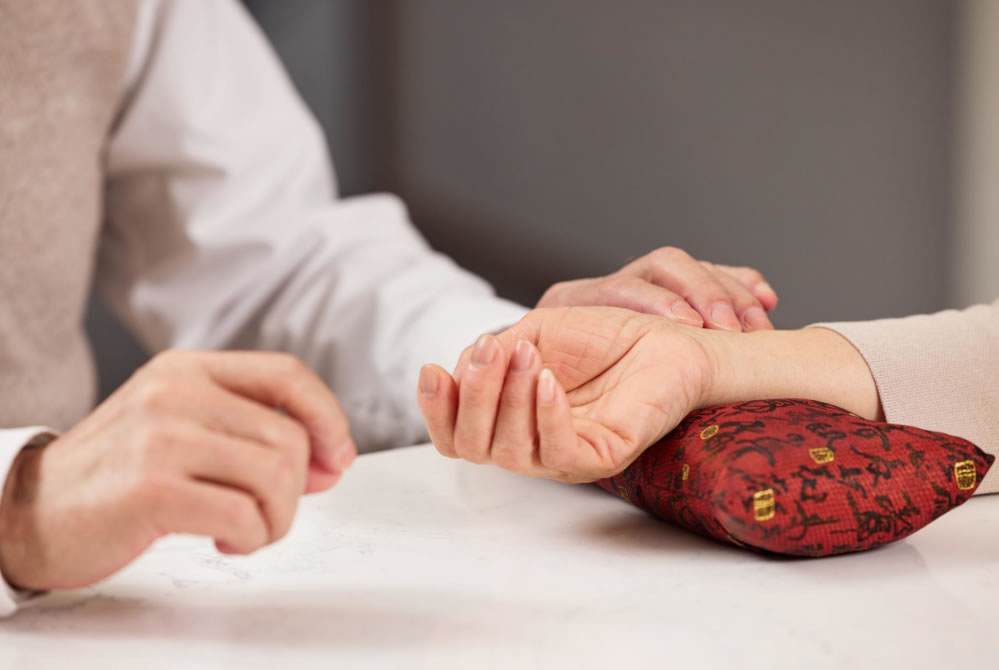
Step 4: Touching (Palpation)
This is pulse diagnosis. The practitioner places three fingers on your wrist and feels the speed, strength, depth, width, and rhythm of your pulse. The whole process takes one or two minutes.
Step 5: Pattern Differentiation
After asking, looking, listening, and touching, the practitioner puts all the information together and makes a “pattern” diagnosis. Not a disease name — TCM doesn’t just look at what disease you have. It looks at your current body state. Are you “cold” or “hot”? “Deficient” or “excess”? Is your qi stuck? Is your blood low?
Step 6: Treatment
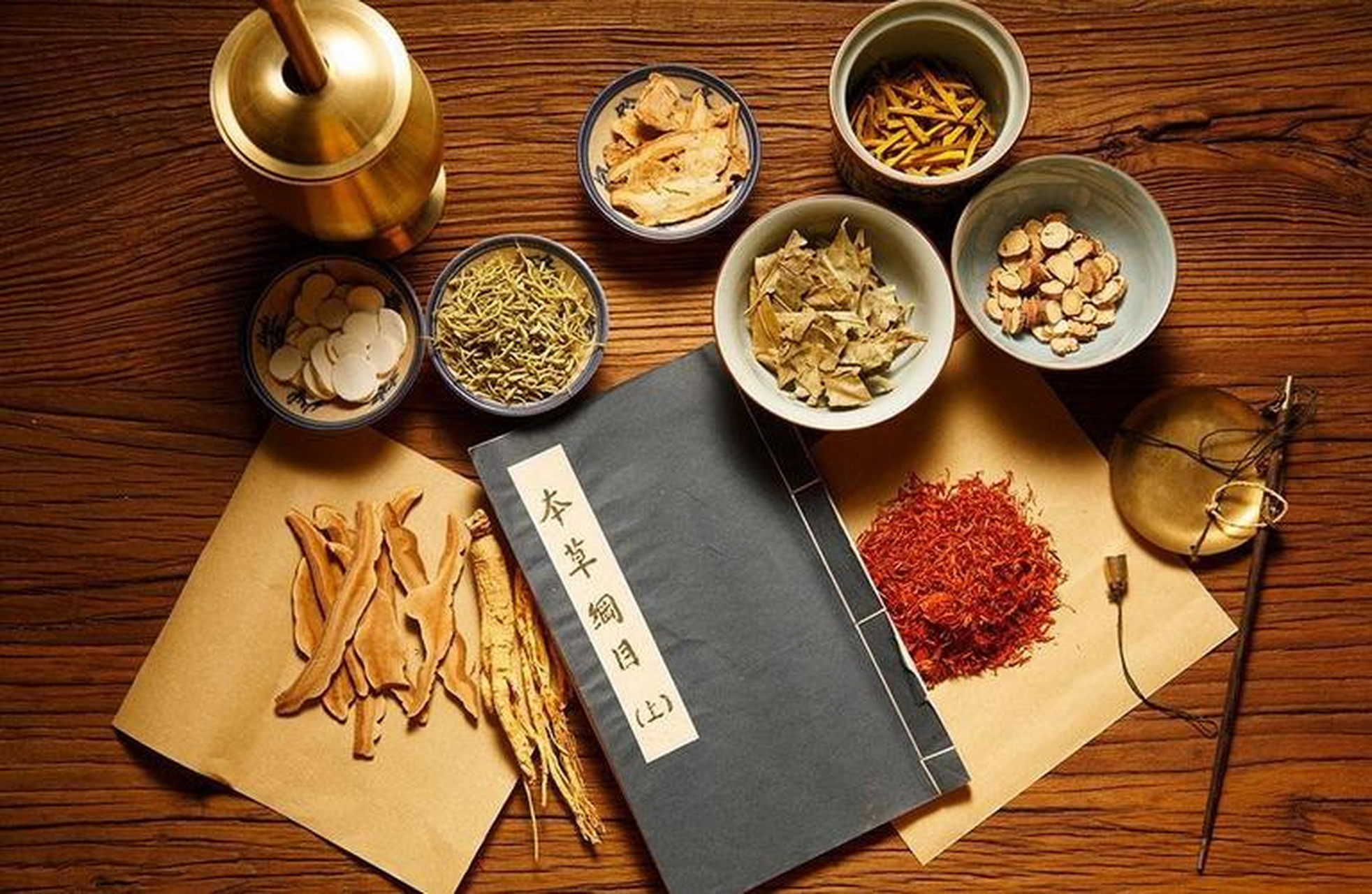
Based on that pattern, the practitioner gives you a plan. It could be herbs. It could be acupuncture. It could be cupping or scraping. Or it could just be dietary and lifestyle advice.
The whole consultation takes about fifteen to thirty minutes. You may not understand everything the practitioner says — “liver qi stagnation,” “spleen deficiency with dampness.” That’s fine. You can ask. A good practitioner will translate it into plain language.
A TCM consultation isn’t like getting your car fixed. It’s more like a conversation, an observation, a puzzle. It’s not fast. But it’s deep.