When people think of TCM, acupuncture is often the first thing that comes to mind. And the next thought is: “Does it hurt when the needle goes in?”
The answer is: no. Not the way you think.
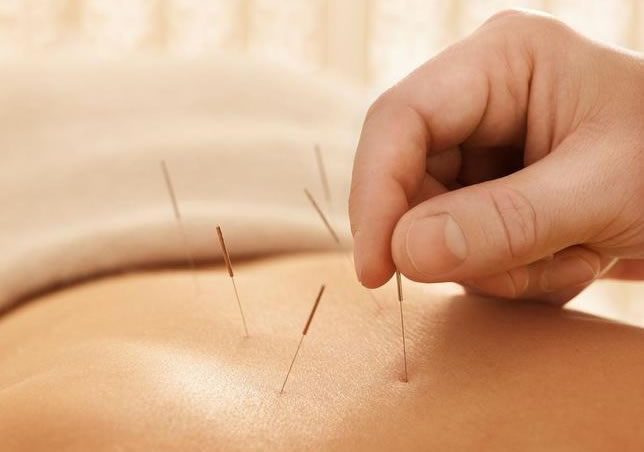
Acupuncture needles are nothing like the needles used for shots. Shot needles are hollow and thick because they have to push liquid through. Acupuncture needles are solid and very, very thin — not much thicker than a strand of your hair. When a needle goes in, it feels more like a light mosquito bite, or a weird sensation — achy, numb, heavy, or tingly. Not “pain.”
What does acupuncture actually do? Simply put: it clears blockages.
Imagine the energy in your body as a river. Sometimes the river gets blocked. When the river is blocked, the downstream area gets no water, and the upstream area floods. Your body is the same. When qi is blocked somewhere, that area hurts, swells, or feels uncomfortable. Where qi can’t reach, that area feels cold, numb, or weak.
Acupuncture basically pokes a small “hole” in the blockage, letting qi flow again.
A person with shoulder pain might get needles in their hand or leg, not their shoulder. Why? Because the energy channel for the shoulder runs all the way down the arm. The blockage might not be in the shoulder itself. Clear the source, and the whole river flows.
Acupuncture isn’t magic. There’s plenty of scientific research behind it, especially for pain, nausea, and anxiety. The World Health Organization has listed dozens of conditions that acupuncture can treat.
Of course, acupuncture isn’t for everyone. If you’re afraid of needles, there are other options. But if you want to try it, find a licensed, experienced practitioner. The needles themselves aren’t scary. Needles in the wrong place — that’s what you should worry about. And a good practitioner knows exactly where to put them.