Have you ever wondered why every culture in the world has some version of “eat something good when you’re sick”?
It’s not a coincidence. Food is the oldest form of medicine.
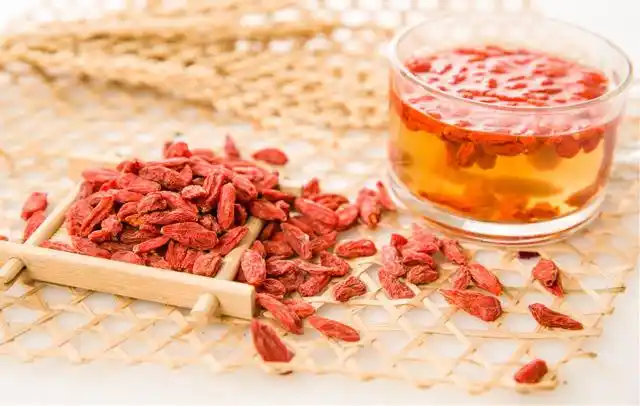
In TCM, the line between food and medicine is blurry. Many things in your everyday kitchen are also Chinese herbs: ginger, garlic, red dates, longan, yam, mung beans, barley — they’re called “same origin as medicine and food.” They’re both.
What’s the difference? Medicines have strong effects. They’re for treating sickness. Foods have mild effects. They’re for nourishing the body. Take medicine when you’re sick. But every day, the three meals you eat are the first dose of medicine you give yourself.
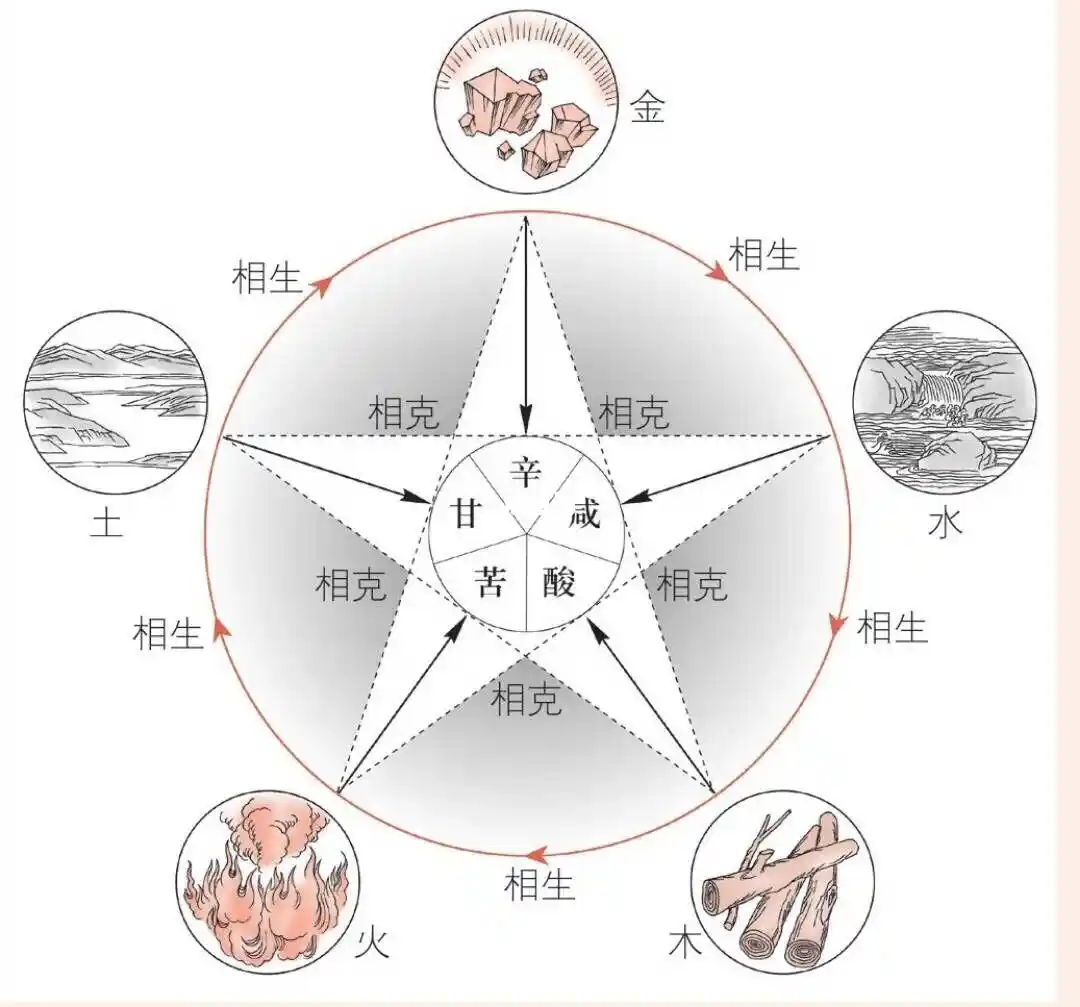
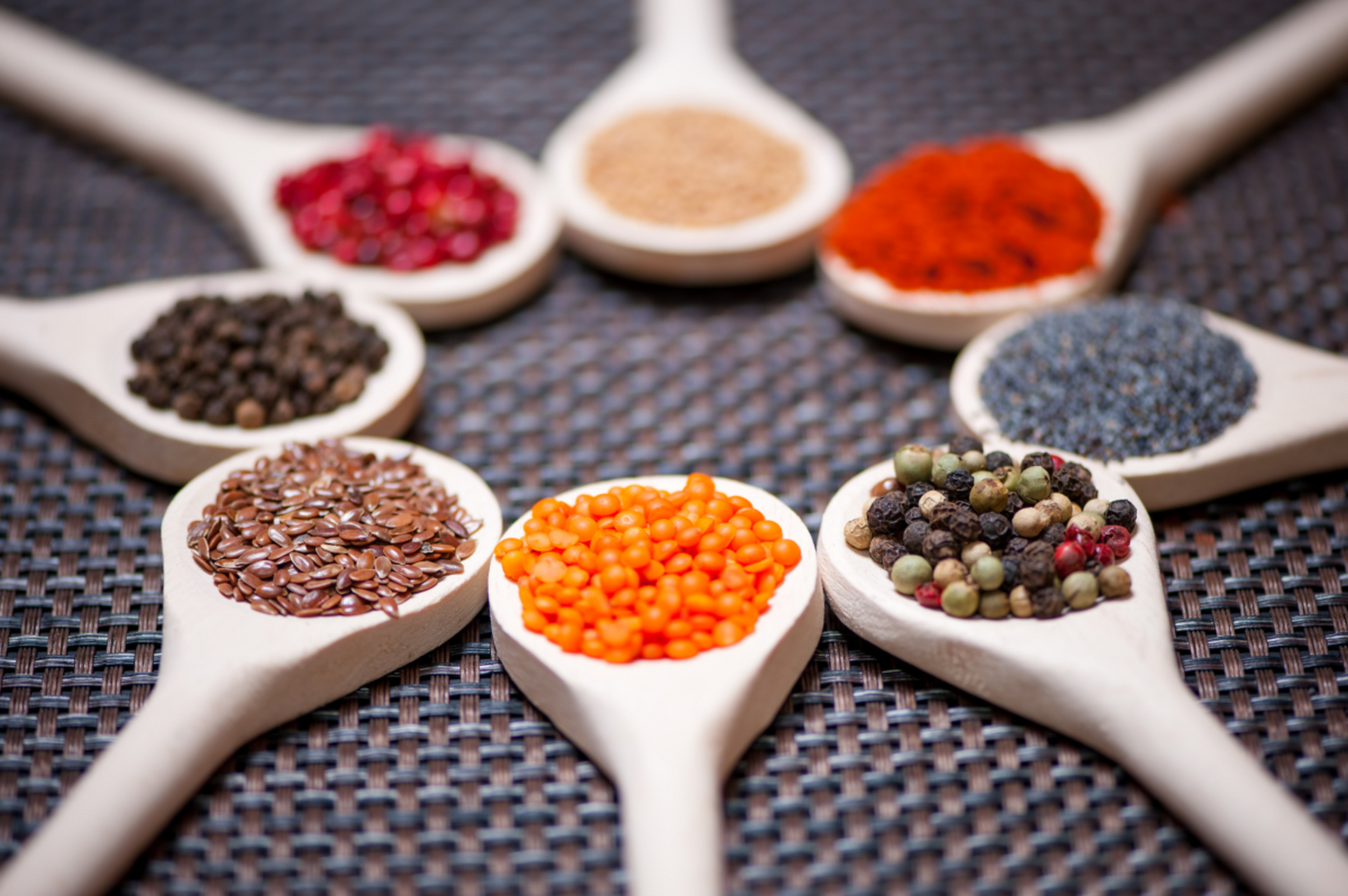
TCM doesn’t look at calories or protein. It looks at nature and flavor — is this food cooling or warming? Does it build you up or clear things out?
Example: watermelon. Eat it in summer — cool, refreshing, feels great. Eat it in winter — cold stomach, maybe even diarrhea. The watermelon didn’t change. The season did. TCM says watermelon has a “cold nature.” It’s meant for summer. In winter, when your body is already cold, eating something cold is like pouring ice water on a fire.
Ginger, on the other hand, has a “warm nature.” Caught in the rain? Wind blowing hard? Make a bowl of ginger soup. Drink it. You’ll warm up from the inside, and the cold will leave.
You don’t need to memorize every food’s nature. You just need one rule: listen to your body. If it feels good, it’s probably right. If it feels bad, it’s probably wrong.
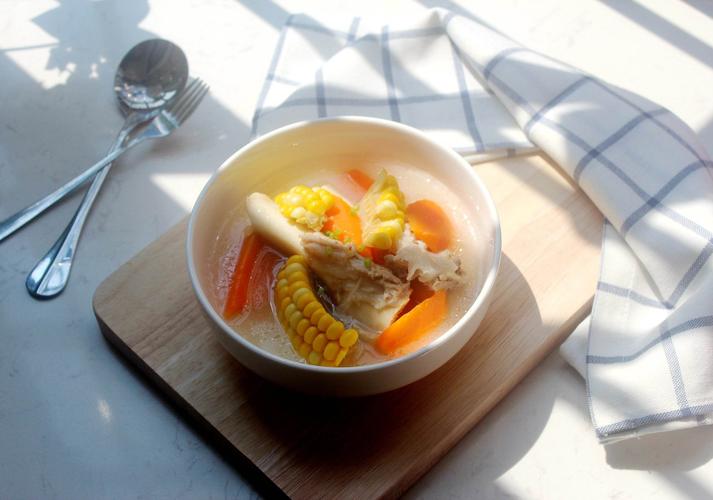
Your kitchen isn’t a storage room. It’s a pharmacy. The things sitting in there are worth more than many expensive supplements. You just need to know how to use them.