We’ve all had this experience: when something hurts, we instinctively press or rub it with our hands.
The hand is humanity’s original healing tool. TCM’s Tui Na takes this instinct and turns it into a professional skill.
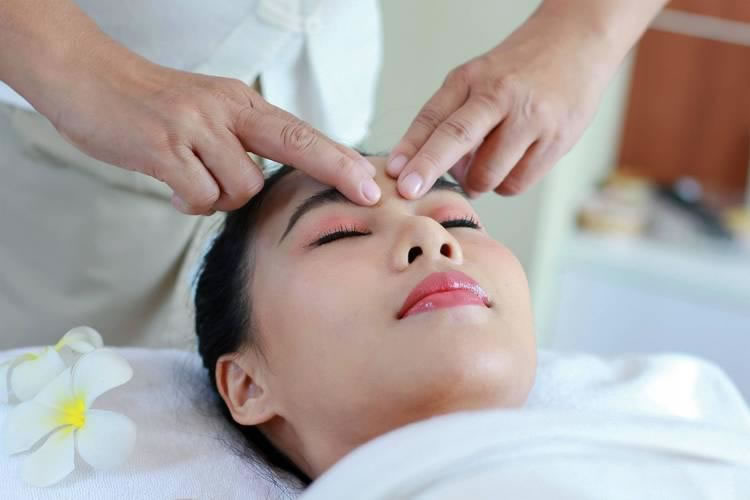
Tui Na is not just casual rubbing. It has a complete system of techniques: pressing, rubbing, pushing, grasping, kneading, pinching, tapping, pressing on points — different techniques do different things.
Some techniques relax muscles. After sitting for a long time, your neck and shoulders become tight and hard. A Tui Na practitioner uses kneading and grasping to loosen those “knotted” muscles. Afterward, you’ll find you can turn your neck farther and your shoulders feel lighter.
Some techniques clear the energy channels. TCM believes that meridians are the paths qi travels through. When a path is blocked, qi can’t get through. Practitioners use specific techniques along the meridians to push open the blockages.
Some techniques adjust bone position. For example, with a stiff neck or a twisted lower back, sometimes a small joint is slightly out of place. A skilled practitioner uses gentle techniques to put it back. Not violent cracking — very subtle, almost painless, returning it to where it belongs.
The best thing about Tui Na is: no tools, no medicine, and you can do simple self-massage anytime, anywhere.
For example, when you’re tired, use your thumb to press the top of your head — a point called Baihui. Press about ten times, and you’ll feel a bit clearer. If your lower back is sore from sitting too long, gently tap your lower back with your fist, from top to bottom, dozens of times.
Of course, for serious pain, see a professional Tui Na practitioner. A good practitioner can tell where the problem is just by touching. Their hands have “feeling” — they can sense which muscles are tight, which tendons are hard, where needs loosening.
Tui Na isn’t a luxury spa treatment. It’s a therapy. A pair of trained hands can sometimes work better than medicine.